
It’s more than just satisfying your dog’s cravings however, it’s also about providing nutrition and comfort. You should ensure that your dog’s food time is enjoyable and healthy. Slow feeder dog dishes are the best solution to ensure a healthy and relaxing mealtime.
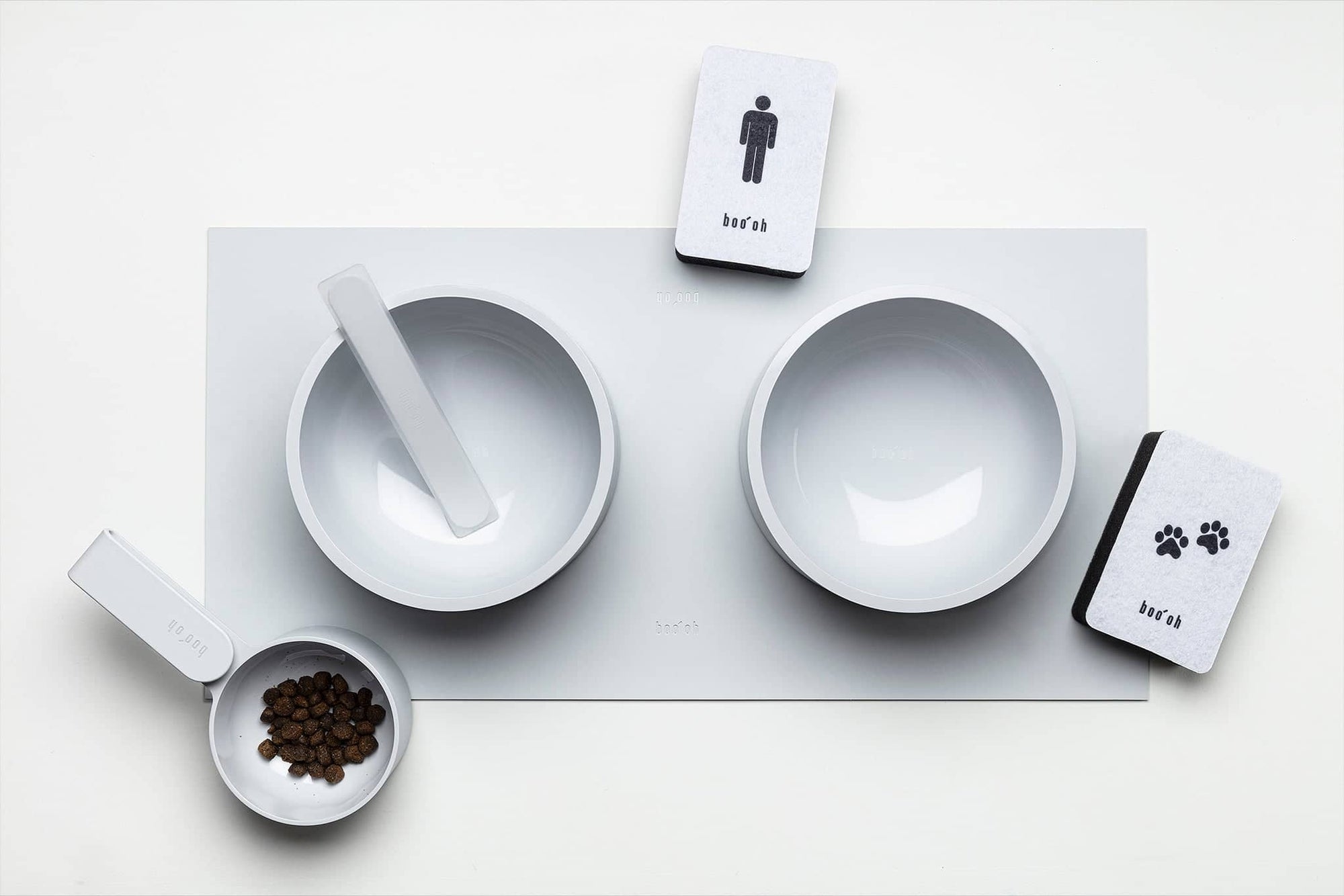
Understanding Slow Feeder Dog Bowls
Slow feeder dog bowls have been specifically designed to slow down your dog’s eating pace. This bowl’s unique design includes mazes or obstacles that force your dog to exert more effort in order to reach their food. This will stop your dog from consuming their meal too quickly.
The benefits of slow Feeder Bowls for Dogs Bowls
Slow feeder bowls prevent your dog’s food from being consumed too quickly. Rapid eating is associated with digestive issues and could cause overeating. This is particularly true for larger breeds of dogs.
Helps stimulate the brain Patterns or mazes in the bowl will stimulate your dog’s mind, offering an exciting challenge during mealtime. The mental stimulation helps decrease anxiety and boredom, while helping to improve wellbeing.
Helps with digestion Slower eating improves digestion by allowing the food to be chewed thoroughly to ensure better absorption nutrients as well as reducing the danger of vomiting or choking.
Weight Management: By reducing your dog’s eating rate and promoting a feeling of fullness Slower feeder bowls help with weight control by preventing excessive eating and consequent weight gain.
Reduces bloat risk: Rapid eating can result in the gulping of air, causing gastric discomfort and bloating. Slower food bowls decrease this risk by encouraging slower consumption, which is more controlled.
The Right Slow Feeder for Dog Bowls
When selecting a slow feeder dog bowl, consider your dog’s size, eating habits, and specific needs. If you own a smaller dog then choose bowls that are shallower mazes. Larger dogs could benefit from deeper mazes that are a bit more a challenge.
Also, take into consideration the material. Ceramic slow feeder dog bowls are sturdy and easy to clean, which means your pup has a safe and clean dining experience.
Slow Feeder Dog Bowl: How to Introduce Your Dog
Making the transition to an inclined feeder bowl might require patience and time. These steps can help your dog adjust:
Training: Place your dog’s most loved treats or kibbles into the feeder slowly and let them explore.
Gradual Transition: Initially, mix your dog’s regular food into the slower feeder bowl to make it easier for them to transition. In the course of a few weeks then gradually increase the amount that is in the slow feeder.
Positive Reinforcement: Accompany your dog’s progress by giving praise, positive reinforcement and treats after they successfully navigate the slow food bowl.
Be aware of progress: Pay pay attention to your dog’s levels and their progress. Consider changing the difficulty of the bowl or reverse the transition when your pet is unhappy or anxious.
Slow Feeder Dog Bowls: How to Use They in Your Daily Routine
Once your dog has become familiar with the slow-feeding bowls for dogs, it is possible to make them a permanent feature in their feeding routine. It is possible to monitor the way they eat to determine the impact it has on their digestion.
In conclusion
The mealtime experience is an integral aspect of your dog’s routine, and giving them the proper equipment and surroundings for eating a nutritious and enjoyable meal is crucial. Slow feeder dog bowls provide an efficient and fun solution to enhance your dog’s eating habits to prevent overeating and encourage mental stimulation.
A slow feeder dog bowl is a good investment in your pet’s wellbeing and health. Take the time to choose the appropriate bowl for your pet. start slowly, and observe the change in the way your dog eats. Slow down, take in the moment and improve your dog’s eating habits by using a slow-feeder dog bowl.