
Many people don’t think about cooking oil in the least but it’s an ingredient that people use every day. It is easy to grab whichever bottle is close to hand and think it will work to do everything. Oils react differently depending upon temperature, flavor and fat composition. Understanding these differences is the easiest way to improve your cooking at home.
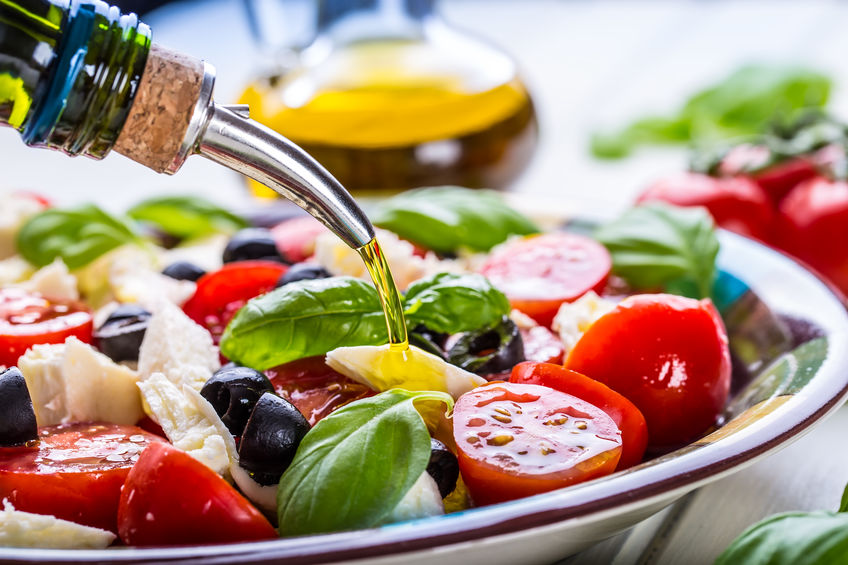
When deciding between coconut oil, olive oil, and avocado oil for cooking, the decision shouldn’t be solely based on headlines or trends. It is crucial to think about how each oil performs being used in actual cooking.
The importance of oil selection is greater than you think
Cooking oil performs three major functions. It is a conduit for heat from the oven to the food. It isn’t always obvious or obvious. Thirdly, it may influence nutrition, depending on the type of food and its durability at high temperatures.
The oils that are overheated start to break down. It also can cause a bad taste and lower the nutritional value. Unsuccessful oil can cause food to taste dry, bitter or greasy even in a delicious recipe.
Olive Oil to Cook: Use With Care
Olive oil has been investigated and is used extensively in cooking. Made by pressing olives it’s a great source of monounsaturated fatty acids, along with antioxidants like polyphenols and vitamin E.
Extra virgin olive oil has a distinctive flavor, often fruity and sometimes peppery taste, sometimes peppery. This makes olive oil for cooking ideal for salad dressings marinades, roasted veggies, light sauteing, and the final dishes. In these instances, the flavour of the food is not lost but enhanced.
The smoke point of extra-virgin olive oils is less than many people believe. For cooking that requires higher heat refined olive oil is more suitable. It has a milder flavor and has a higher thermal sensitivity. It is ideal for cooking at higher temperatures, such as frying, baking, and roasting.
Olive oil is a healthy and tasty product when used appropriately.
Coconut Oil Stable, but Specific
Coconut oil behaves differently from olive oils. It’s high in saturated fats and is therefore very resistant to high temperatures. This stability is a major reason why people prefer coconut oil for cooking.
Coconut oils that have been refined have mild flavors and are ideal for baking, frying and other situations in which stability of heat is an important factor. Unrefined coconut oils retain the distinctive aroma and flavor of coconut. This flavor can be beneficial in specific dishes, such as curries, stir-fries, or desserts, but it can be a problem with meals that are savoury If it is used unconsidered.
Concerning health in terms of health, it’s better to use coconut oil occasionally rather than every day. It is a great choice for high-temperature cooking but lacks the same antioxidants as avocado oil or olive oil.
Avocado oil: heat-friendly, and neutral
Avocado oil is a favorite because it can handle heat well. Avocado oil for cooking has one of the highest smoke points of commonly used oils, which makes it ideal for searing, roasting, grilling, and frying.
It is nutritionally, avocado oil is rich in monounsaturated fats and contains vitamin E, making it more in line with coconut oil than olive oil in terms of health benefits. Its mild, neutral taste makes it an ideal choice when you want to avoid the oil affecting the flavor of your food.
Avocado oil is usually the safest choice when cooking at high temperatures, while keeping in mind the benefits of a healthier fat.
Using Oils in the Smart Way
There is no one oil that is ideal for every job. The best way to go is to keep more than one option available and to make use of each one with care.
Olive oil is best used when flavour and nutrition matter. Avocado oil is ideal for high-heat cooking. Coconut oil can be used for cooking when consistency of heat and the distinct flavor is required.
Understanding these differences removes guesswork from cooking, and results in more regular results.
Better Cooking Starts With Better Basics
It’s not required to use expensive ingredients or complex cooking techniques in order to cook efficiently. Small, consistent and consistent choices made with a bit of knowledge are usually essential.
The art of knowing when to use olive oil, coconut oil, and avocado oil to cook is among the most effective ways to improve flavour as well as texture and confidence in the kitchen. Once you understand how oils work and behave, everything else becomes easier and cooking can be made more enjoyable.