
Today’s entertainment options aren’t only about watching screens or playing video games. Nowadays, people are looking for experiences that are real, exciting, and memorable. The VR industry is rapidly growing due to the growing demand for immersive entertainment. From big amusement parks to arcades that are small, VR attractions are now essential features that attract crowds and keep people entertained for longer periods.
Modern Virtual Reality technology goes far beyond basic gaming equipment. It combines stunning visuals with motion technology as well as interactive controls to give an experience that’s live. The players can experience a virtual world using a VR headset, seated inside an immersive motion simulator, exploring deep oceans or fighting in futuristic battle arenas. The motion seats vibrate, tilt and spin to match the visuals. The result is that every moment seem real. This blend of motion, sound and sight creates an impression of being in the moment which is unmatched by other types of entertainment.
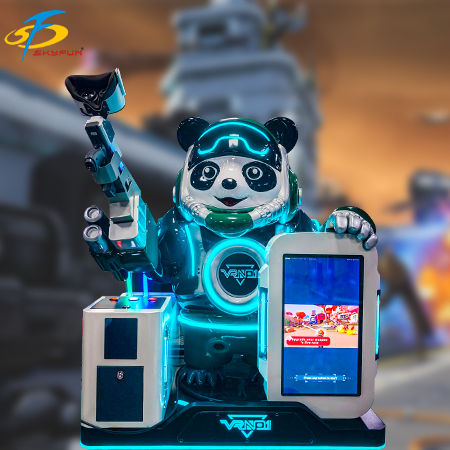
Image credit: skyfunvr.com
One reason VR experiences are so popular is their universal appeal. Kids, teens, and adults can all enjoy virtual reality experiences regardless of gaming skill level. VR is a natural attraction for families at malls, groups of people at entertainment centers, and even tourists in theme parks. Due to this broad crowd, businesses that invest in VR entertainment generally see more numbers of visitors and higher retention.
Content flexibility is yet another advantage. Operators can offer a diverse range of games, simulations and cinematic experiences, without constantly upgrading hardware. Many systems can play games that are interactive, such as 4K movies, in genres like adventure, science fiction, horror and even education. This gives venues the chance to keep their offerings updated regularly which keeps customers entertained and enticing them to return. VR isn’t just a static attraction. VR is an entertainment platform that adapts to the needs of the public.
However, success in the VR entertainment market depends heavily on choosing the right VR game machine supplier. Professional suppliers are more than the manufacturers of equipment. Professional suppliers provide full support to help businesses launch and operate smoothly. This includes machine customization, installation support updates to software maintenance, as well as staff training. The most reliable suppliers will also guarantee that the machines comply with safety standards and are constructed using durable components that are able to withstand the rigors of use in commercial settings.
Motion simulation is yet another important feature that sets modern VR systems apart. Systems with high-end technology can recreate real-world effects like acceleration, drops and twists. The brain interprets the VR experience as real-time when players are able to see vivid VR visuals and experience synchronized motions. The increased realism boosts the thrill of virtual roller coasters, flight simulators and adventure gaming. For businesses in the entertainment industry, this is a better experience for customers as well as a stronger word-of-mouth marketing.
VR devices can be bought for different budgets, space requirements and demands. Single-seat, compact machines are ideal for arcades with smaller spaces. Multiplayer simulators and theme parks can work together. Many modern machines are designed for ease of maintenance, energy efficiency and long operating hours, which helps reduce operational costs while maximizing revenue potential.
Skyfun VR has become a well-known brand in this sector. They are known for combining technical precision, as for business support in their solutions. Skyfun’s VR equipment was designed to draw the attention of viewers instantly using visually stunning designs and the ability to experience motion in a completely immersive way. The equipment is designed to offer smooth, realistic experiences and lasting impressions.
Skyfun VR is unique in the way it approaches service. Companies who plan to open VR arcades or theme parks will receive assistance starting from the initial stages of the planning process until they are fully operational. The advice includes suggestions on venue layout, theme decoration technological setup, and management training. The complete assistance provided helps new investors to get into the market with confidence, without extensive technical knowledge.
VR entertainment is spreading to diverse places. Airports employ VR attractions to entertain passengers during wait time, shopping malls have them to increase visitor stay duration, cinemas include them to enhance customer engagement and science museums use VR technology to make learning interactive and exciting. This versatility shows that VR isn’t simply a gaming trend, but a dependable entertainment system that can be used in a variety of industries.
Virtual reality will continue to evolve as technology advances. It will be more interactive and social. Businesses that are early adopters of VR make themselves known as pioneers in the field and gain competitive advantages. Unique experiences are cherished by consumers, and immersive virtual reality experiences provide experiences that people will want to share on social media and offline.
The ability to create something extraordinary is crucial to standing out in today’s customer-centric market. With the help of advanced VR solutions, businesses are able to develop exciting entertainment experiences that bring in customers, increase revenues and increase customer loyalty. Virtual Reality is the future of not only for gaming, but for entertainment as a whole.