
A customer loves the color of a wig but finds the cap uncomfortable after several hours. A natural-looking front is welcome, but another customer finds spending twenty minutes on lace each morning more preparation than desired. A third customer purchases an otherwise beautiful wig and discovers that its density feels surprisingly heavy.
To a brand selling wigs, these observations represent more than isolated customer reactions. The potential is to turn these insights into wigs that people are happy to put on.
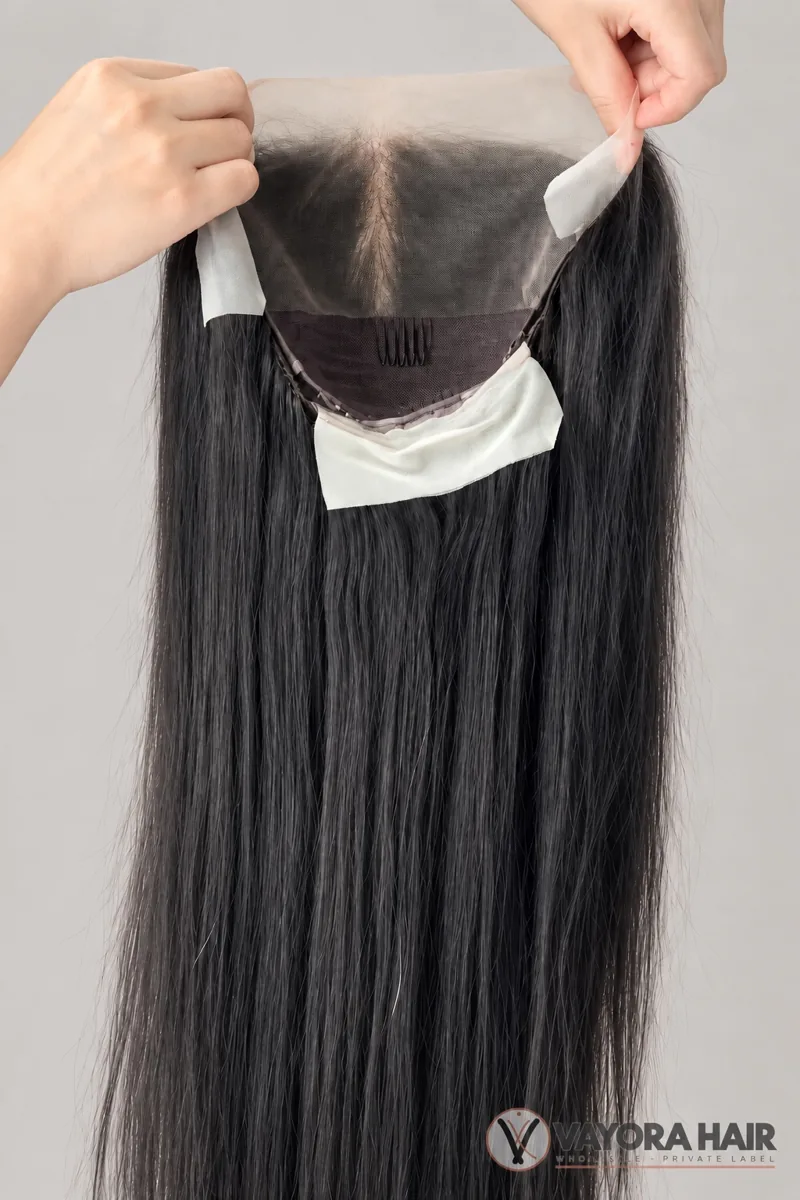
Image credit: vayorahair.com
A successful range does not have to center on the latest viral hairstyle. The foundation is a solid understanding of the experience customers seek that buyers want.
Listen to the Problems Behind the Purchase
Buyers do not usually use factory-specific terms to explain what they need. Instead, their feedback center on convenience and comfort, confidence and appearance. The desire to spend less effort getting ready may indicate a need for a glueless design. An unrealistic hairline may signal a problem with how the lace looks, knot treatment, density, or the way the part is designed.
When selecting a human hair wig manufacturer China brands should look for the ability to interpret ordinary customer concerns and document them as measurable product specifications.
Length and texture alone need not define the entire order. Buyers can also specify the intended wearing experience, cap fit, lace construction, hairline appearance, and finished weight. That level of detail gives the development team a clearer target.
Develop a Consistent Private Label Collection
Many emerging wig brands make the mistake of building their catalogs around whatever products are currently popular. Such an approach can leave the brand with a range that is difficult to distinguish from competitors’ offerings.
Choosing a private label wig manufacturer China retailers can work closely with gives brands an opportunity to develop a more consistent identity across the range. Possible directions include lightweight wigs for daily wear, a premium collection with natural-looking hairlines, or ready-to-wear wigs for buyers who want minimal preparation. Texture, length, color, density, cap construction, and packaging should support the same customer promise. When a range has a recognizable identity, customers have a reason to return that extends past a temporary promotion.
Look Beyond the Glueless Label
A glueless label may be easy to understand, yet how the wig feels during wear is shaped by multiple aspects of construction. Cap sizing, adjustment features, attachment components, lace preparation, and hairline design all influence how comfortably and securely a wig fits.
A glueless wig manufacturer China buyers choose should help clarify these requirements before production begins. A brand serving first-time wig users, for instance, might focus on manageable density, pre-cut lace, and straightforward adjustment features. A professional stylist’s collection might require different customization options. Neither approach is automatically better. Each is intended for a different wearer.
Product Sampling and Brand Reputation
A picture of a wig cannot reveal everything a buyer needs to know. Does the cap fit properly? What is the hair movement like? Buyers also need to check whether the color meets expectations and the finished construction follows the approved design. Reviewing samples allows buyers to recognize differences before ordering in greater quantities.
Repeat production makes documented specifications and quality-control procedures especially significant for a wholesale human hair wigs supplier. Even a successful initial batch may be hard to replicate consistently if adequate references are unavailable.
Develop a Wig Collection That Can Expand
VAYORA supports B2B wig brands, retailers, and distributors through product development, private label services, sampling, specification control, and repeat-production workflows. Physical details that affect the look, fit, and feel of a wig are connected to customer expectations through this approach.
Before adding more products, a brand should look closely at customer feedback, determine where its strongest product opportunities lie, and set clear approval standards. The next collection’s success may have little to do with the number of additional styles. It may require fewer compromises in the styles customers already want.