
The success of any park isn’t determined by the opening day. The best test is five years, ten or twenty years later. Does the restroom remain simple to maintain? Has the material withstood constant use by the public and weather? Does the structure fit in with the park’s surroundings? The most important concern is: did the initial idea result in a building which actually works?
These concerns show the reason why comparing renderings isn’t enough to choose the most suitable park design. Public architecture needs to endure the permitting process as well as bidding, construction and maintenance, and years of daily usage.
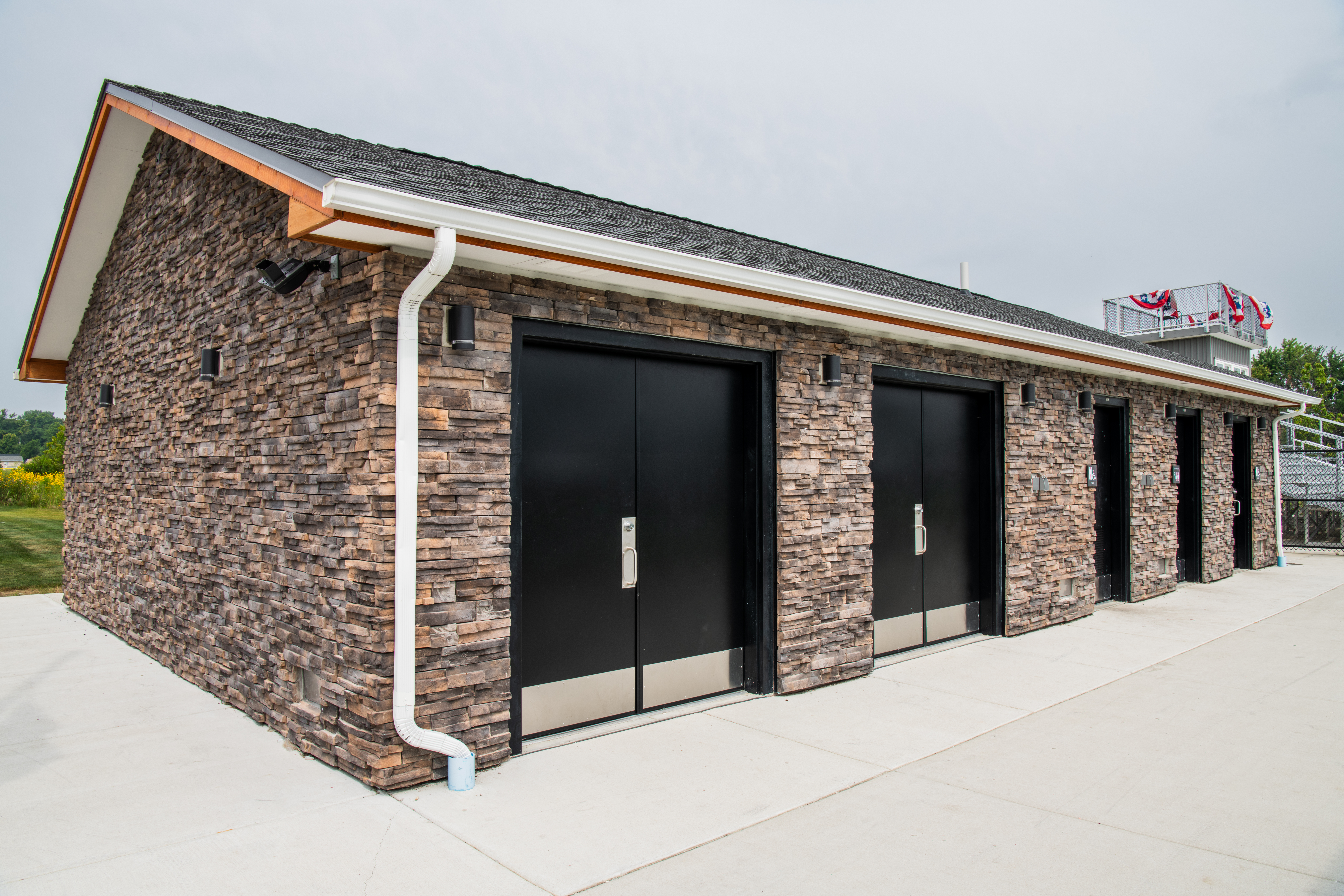
Image credit: romtec.com
Design decisions have implications for operations
Take into consideration the finish on the exterior. This could affect the appearance but also the requirements for cleaning, repairs costs, weather resistance, and how graffiti can be eliminated. Roof designs affect the flow of water and maintenance, and also the overall appearance of the area. Design layouts in the interior affect accessibility, visitor circulation, cleaning routines, and the position of fixtures.
Experienced best park restroom designers therefore have to think simultaneously about architecture and operation.
Romtec works with landscape architects, contractors, municipalities, and other project stakeholders to design custom restrooms instead of limiting projects to a narrow selection of uniform designs. Materials, shapes, and colors can be coordinated with the surrounding area.
The Drawing Must Be Transformed into an actual building
The concept might look great on screen but still cause issues when the pricing process or construction is set to begin. Construction codes, ADA requirements, locally licensed architectural review, readily available components, structural requirements and construction costs all enter the equation.
Romtec offers support to projects in the form of preliminary designs, estimates, and bid drawings. We also offer specifications, renderings and engineered plans as well. The involvement of Romtec helps to carry the architectural concept from early planning to construction and procurement.
In assessing the top park restroom builder, owners should take into account this middle portion of the project carefully. In the transitional phase between construction and design, the absence of specifications, unrealistic material selections, and inadequate coordination could cost you a lot.
Infrastructure refers to public restrooms.
Public restrooms are often seen as a part of or an accessory to the larger park. Operationally, they function much more like infrastructure.
A crowded bathroom can be used by guests of all ages including adults, children employees, athletes as well as tourists and those who have disabilities, all daytime. Depending on the scope of the project, planners have to take into account ADA accessibility, durable surfaces and materials, ventilation services, vandal-resistant parts such as energy efficiency, access for cleaning, and visitor capacity.
A campsite has different requirements that a typical park. A sports venue could have an influx of people during games while a neighborhood park may have the occasional use. Instead of addressing these distinctions following construction, these differences need to be considered in the design of the building.
Budgeting without defining everything out
Controlling costs in public construction is inevitable, but it doesn’t mean that you need to remove every unique feature.
Understanding the real material and construction costs prior to construction can allow designers to make better decisions about tradeoffs. An element with little value in terms of operational use can be repositioned into a stronger material that is more practical, or an architectural component that is more valuable.
Romtec has experience with restrooms and other facilities, such as pavilions as well as shelters for concessions showers, and multi-purpose spaces. This allows discussions to be held while design is still flexible.
At the end of the day, a well designed park toilet is successful since the users don’t have to be concerned about the toilet. It’s accessible, simple to locate, suitable to its surroundings, durable and designed for decades of use by the public. Its apparent simplicity hides a complex combination of engineering, architectural and budgeting as well as documentation.